THE ANTIQUE REPRODUCTION SHOP- LOGO
WE'RE EXCITED TO ANNOUNCE THAT WE'VE RELOCATED!
Visit Us at Our New Address
31/70-72 Cave Hill Road, Lilydale, VIC 3140
As featured on
MR_Logo_1bridgerton

Filter By Colour

Chippendale Style

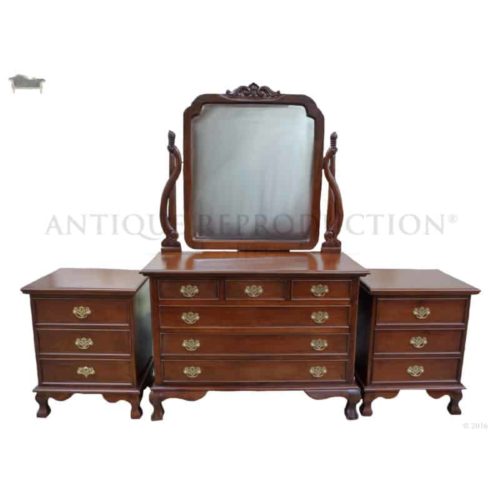
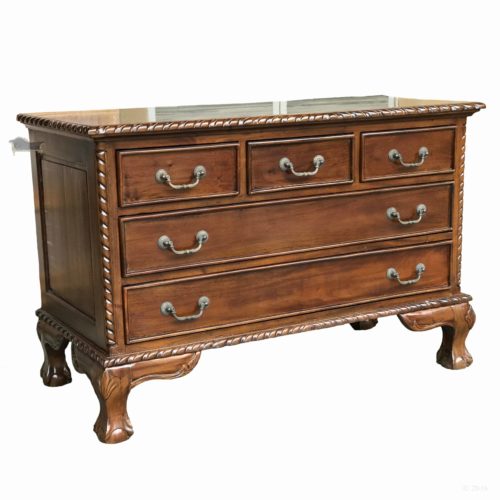
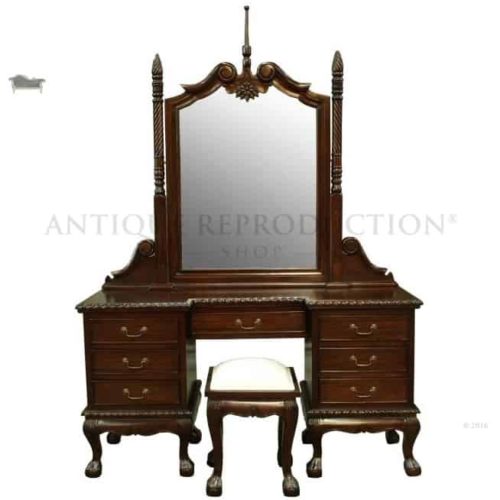
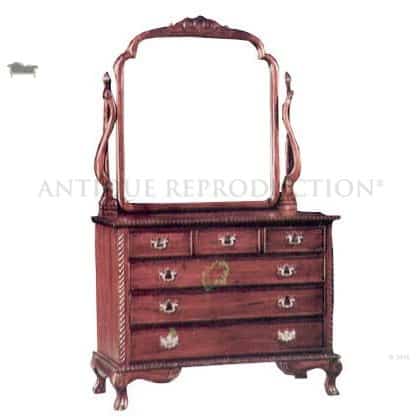
Chippendale Style Antique Dressing Tables & Stools – Timeless Elegance for Every Interior

Introduction: The Enduring Appeal of Chippendale Design

The Chippendale style, named after the renowned 18th-century English cabinetmaker Thomas Chippendale, is one of the most celebrated movements in furniture design. Defined by carved mahogany, cabriole legs, fretwork, and ornate rococo and neoclassical details, it remains synonymous with timeless elegance and fine craftsmanship.

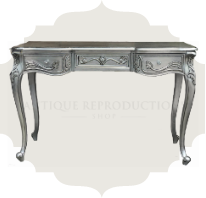
Among the most treasured pieces are Chippendale style antique dressing tables and stools. Originally known as toilette or powder tables, these furnishings combine functionality with artistry. Whether used as a vanity, writing desk, or decorative console, a Chippendale dressing table brings heritage and refinement into the home.


The History of Chippendale Dressing Tables

Origins in the 18th Century

  • Publication influence: Chippendale’s 1754 book The Gentleman and Cabinet Maker’s Director illustrated designs that inspired craftsmen across England, Europe, and America.

  • Design evolution: Early pieces leaned toward rococo curves, while later versions incorporated neoclassical straight lines and architectural symmetry.

  • Colonial spread: The designs spread into Ireland, America, and Anglo-Indian workshops, where local materials and carving traditions created regional variations.

Victorian and Edwardian Adaptations

During the Victorian era, dressing tables evolved to include larger mirrors, marble tops, and intricate inlay. By the Edwardian period, designs became lighter and more delicate, maintaining Chippendale motifs but with a refined, subtler style.


Features of Chippendale Dressing Tables and Stools

Dressing Tables

  • Materials:

    • Mahogany, the signature timber with rich reddish-brown patina.

    • Walnut and cedar in regional adaptations.

    • Rosewood and satinwood for veneered or inlaid designs.

  • Design elements:

    • Cabriole legs ending in claw-and-ball or pad feet.

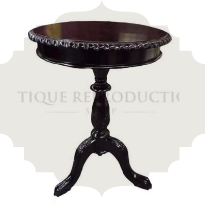
    • Serpentine or bowfront tops with carved edges.

    • Brass or gilt ormolu handles, mounts, and escutcheons.

    • Decorative mirrors with carved or gilt frames.

  • Functionality:

    • Multiple drawers for jewellery, cosmetics, or writing tools.

    • Central knee-hole design for comfortable seating.

    • Hidden compartments in select antique examples.

Stools

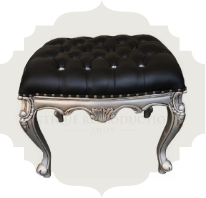
  • Upholstered in velvet, silk, or embroidered fabrics.

  • Supported by carved cabriole or square legs.

  • Often paired as sets with dressing tables for stylistic harmony.


Why Choose Chippendale Style Dressing Tables and Stools?

  • Timeless beauty: Intricate carvings and elegant finishes make them statement pieces.

  • Functional luxury: Practical storage paired with refined design.

  • Historic authenticity: Brings 18th-century heritage into modern living.

  • Investment value: Well-documented antiques hold significant worth, while fine reproductions offer lasting quality.

  • Versatility: Suitable for Victorian, Georgian, or even modern interiors as a classic accent.


Placement and Styling Ideas

  • Bedrooms: As a vanity paired with mirrors, lamps, and upholstered stools.

  • Dressing rooms: Providing elegant storage for jewellery and accessories.

  • Living rooms and studies: Used as writing desks or consoles, styled with porcelain, candlesticks, or artworks.

  • Hallways: Decorative statement tables with mirrors or sconces above.

Pairing Chippendale dressing tables with coordinating chairs, bookcases, or commodes creates a cohesive interior design scheme.


Buying Guide: How to Select the Right Piece

  • Size and measurements: Confirm height, width, and depth in cm or mm.

  • Timber and finish: Polished mahogany for tradition, painted or ebonized for a unique twist.

  • Condition: Ensure drawers slide smoothly, mirrors are stable, and restoration work is documented.

  • Budget: From affordable reproductions to rare antiques, options vary by timber and decorative detailing.

  • Provenance: Trusted dealers provide certificates or documentation confirming authenticity.


Craftsmanship and Materials

  • Woods: Mahogany, walnut, oak, cedar, and Australian blackwood.

  • Techniques:

    • Hand-carved cabriole legs and claw feet.

    • Dovetail joinery for lasting strength.

    • Veneer, inlay, and marquetry for decorative surfaces.

    • Brass and ormolu fittings for refined embellishment.


Services We Provide

  • Showroom access: View our collection in Melbourne, Carlton, Coburg, Tyabb, and other locations.

  • Customisation: Bespoke dimensions, upholstery, and finishes available.

  • Delivery and shipping: Nationwide coverage including Sydney, Adelaide, Brisbane, and Perth.

  • Restoration and care: Professional repolishing, waxing, and upholstery services.

  • Secure online browsing: Explore categories, wishlist items, and purchase with ease.


Chippendale Style in Australia

  • Melbourne: Popular among collectors in Carlton, Coburg, and Yarra.

  • Sydney: Favoured for coastal and heritage homes.

  • Adelaide and South Australia: Mahogany and cedar examples in heritage properties.

  • Queensland: Whitewashed or lighter finishes suit tropical interiors.

Our Australian reproductions are handcrafted from native timbers such as blackwood and cedar, alongside imported mahogany for authentic detailing.


Care and Maintenance

  • Polish timber surfaces every 6–12 months with beeswax.

  • Dust gently with a soft cloth.

  • Avoid direct sunlight to prevent fading.

  • Reupholster stools when fabrics wear.

  • Clean brass fittings lightly to retain patina.


Testimonials

  • “The Chippendale dressing table we purchased is exquisite—ornate carvings and practical storage.”

  • “Our stool was custom-upholstered to match our home—perfect craftsmanship.”

  • “Delivered to Sydney flawlessly, beautifully restored and exactly as described.”


Conclusion: Invest in a Chippendale Legacy

A Chippendale style antique dressing table with matching stool is more than functional furniture—it is a statement of artistry and heritage. With carved details, refined proportions, and versatile usability, these pieces embody the best of 18th-century design and remain timeless in modern homes.

Whether you live in a heritage terrace in Melbourne, a coastal retreat in Sydney, or a modern apartment in Adelaide, our Chippendale antique and reproduction dressing tables and stools bring authenticity and elegance to your interiors.

Browse our online catalogue today, book a showroom appointment, and discover the perfect Chippendale piece for your home.

Chippendale Style Antique Dressing Tables & Stools – Timeless Elegance for Every Interior

Introduction: The Enduring Appeal of Chippendale Design

The Chippendale style, named after the renowned 18th-century English cabinetmaker Thomas Chippendale, is one of the most celebrated movements in furniture design. Defined by carved mahogany, cabriole legs, fretwork, and ornate rococo and neoclassical details, it remains synonymous with timeless elegance and fine craftsmanship.

Among the most treasured pieces are Chippendale style antique dressing tables and stools. Originally known as toilette or powder tables, these furnishings combine functionality with artistry. Whether used as a vanity, writing desk, or decorative console, a Chippendale dressing table brings heritage and refinement into the home.


The History of Chippendale Dressing Tables

Origins in the 18th Century

  • Publication influence: Chippendale’s 1754 book The Gentleman and Cabinet Maker’s Director illustrated designs that inspired craftsmen across England, Europe, and America.

  • Design evolution: Early pieces leaned toward rococo curves, while later versions incorporated neoclassical straight lines and architectural symmetry.

  • Colonial spread: The designs spread into Ireland, America, and Anglo-Indian workshops, where local materials and carving traditions created regional variations.

Victorian and Edwardian Adaptations

During the Victorian era, dressing tables evolved to include larger mirrors, marble tops, and intricate inlay. By the Edwardian period, designs became lighter and more delicate, maintaining Chippendale motifs but with a refined, subtler style.


Features of Chippendale Dressing Tables and Stools

Dressing Tables

  • Materials:

    • Mahogany, the signature timber with rich reddish-brown patina.

    • Walnut and cedar in regional adaptations.

    • Rosewood and satinwood for veneered or inlaid designs.

  • Design elements:

    • Cabriole legs ending in claw-and-ball or pad feet.

    • Serpentine or bowfront tops with carved edges.

    • Brass or gilt ormolu handles, mounts, and escutcheons.

    • Decorative mirrors with carved or gilt frames.

  • Functionality:

    • Multiple drawers for jewellery, cosmetics, or writing tools.

    • Central knee-hole design for comfortable seating.

    • Hidden compartments in select antique examples.

Stools

  • Upholstered in velvet, silk, or embroidered fabrics.

  • Supported by carved cabriole or square legs.

  • Often paired as sets with dressing tables for stylistic harmony.


Why Choose Chippendale Style Dressing Tables and Stools?

  • Timeless beauty: Intricate carvings and elegant finishes make them statement pieces.

  • Functional luxury: Practical storage paired with refined design.

  • Historic authenticity: Brings 18th-century heritage into modern living.

  • Investment value: Well-documented antiques hold significant worth, while fine reproductions offer lasting quality.

  • Versatility: Suitable for Victorian, Georgian, or even modern interiors as a classic accent.


Placement and Styling Ideas

  • Bedrooms: As a vanity paired with mirrors, lamps, and upholstered stools.

  • Dressing rooms: Providing elegant storage for jewellery and accessories.

  • Living rooms and studies: Used as writing desks or consoles, styled with porcelain, candlesticks, or artworks.

  • Hallways: Decorative statement tables with mirrors or sconces above.

Pairing Chippendale dressing tables with coordinating chairs, bookcases, or commodes creates a cohesive interior design scheme.


Buying Guide: How to Select the Right Piece

  • Size and measurements: Confirm height, width, and depth in cm or mm.

  • Timber and finish: Polished mahogany for tradition, painted or ebonized for a unique twist.

  • Condition: Ensure drawers slide smoothly, mirrors are stable, and restoration work is documented.

  • Budget: From affordable reproductions to rare antiques, options vary by timber and decorative detailing.

  • Provenance: Trusted dealers provide certificates or documentation confirming authenticity.


Craftsmanship and Materials

  • Woods: Mahogany, walnut, oak, cedar, and Australian blackwood.

  • Techniques:

    • Hand-carved cabriole legs and claw feet.

    • Dovetail joinery for lasting strength.

    • Veneer, inlay, and marquetry for decorative surfaces.

    • Brass and ormolu fittings for refined embellishment.


Services We Provide

  • Showroom access: View our collection in Melbourne, Carlton, Coburg, Tyabb, and other locations.

  • Customisation: Bespoke dimensions, upholstery, and finishes available.

  • Delivery and shipping: Nationwide coverage including Sydney, Adelaide, Brisbane, and Perth.

  • Restoration and care: Professional repolishing, waxing, and upholstery services.

  • Secure online browsing: Explore categories, wishlist items, and purchase with ease.


Chippendale Style in Australia

  • Melbourne: Popular among collectors in Carlton, Coburg, and Yarra.

  • Sydney: Favoured for coastal and heritage homes.

  • Adelaide and South Australia: Mahogany and cedar examples in heritage properties.

  • Queensland: Whitewashed or lighter finishes suit tropical interiors.

Our Australian reproductions are handcrafted from native timbers such as blackwood and cedar, alongside imported mahogany for authentic detailing.


Care and Maintenance

  • Polish timber surfaces every 6–12 months with beeswax.

  • Dust gently with a soft cloth.

  • Avoid direct sunlight to prevent fading.

  • Reupholster stools when fabrics wear.

  • Clean brass fittings lightly to retain patina.


Testimonials

  • “The Chippendale dressing table we purchased is exquisite—ornate carvings and practical storage.”

  • “Our stool was custom-upholstered to match our home—perfect craftsmanship.”

  • “Delivered to Sydney flawlessly, beautifully restored and exactly as described.”


Conclusion: Invest in a Chippendale Legacy

A Chippendale style antique dressing table with matching stool is more than functional furniture—it is a statement of artistry and heritage. With carved details, refined proportions, and versatile usability, these pieces embody the best of 18th-century design and remain timeless in modern homes.

Whether you live in a heritage terrace in Melbourne, a coastal retreat in Sydney, or a modern apartment in Adelaide, our Chippendale antique and reproduction dressing tables and stools bring authenticity and elegance to your interiors.

Browse our online catalogue today, book a showroom appointment, and discover the perfect Chippendale piece for your home.

CONTACT US
SHOWROOM OPENING HOURS
Join our VIP program

© 2020 – 2025 antiqureprodcutionshop.com.au

Logo
tagphone-handsetcrossmenu