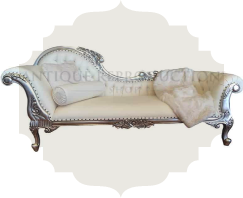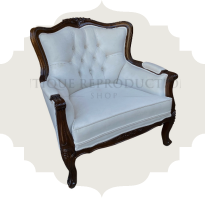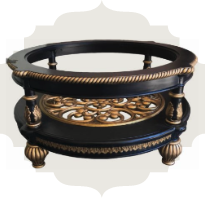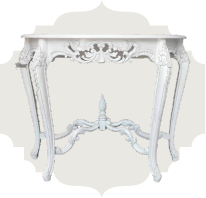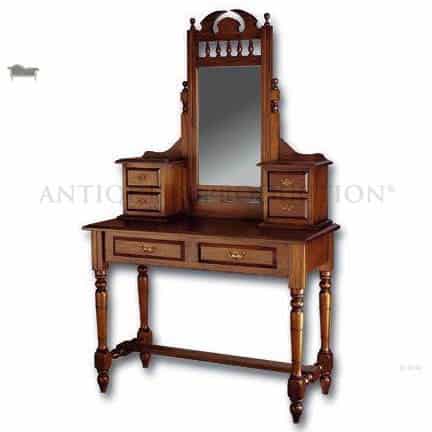
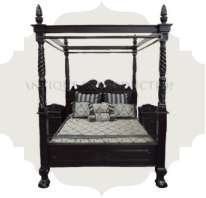
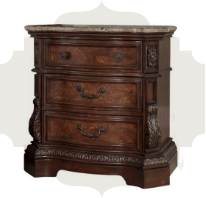
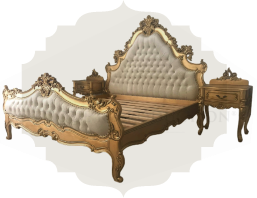
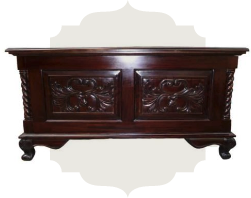
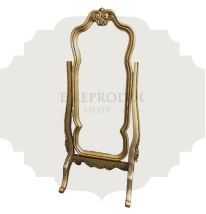
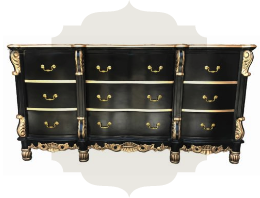
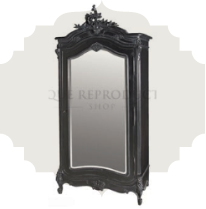
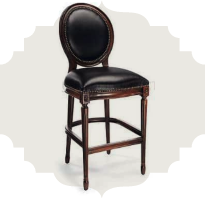
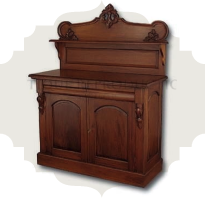
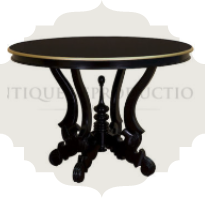
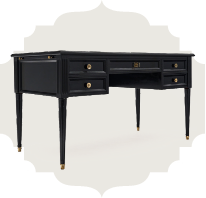
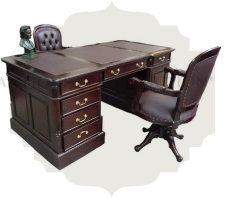
The Colonial style blends European elegance with the practicality of local craftsmanship across Australia, America, India, and beyond. A Colonial style antique dressing table with a matching stool is more than furniture—it is a statement of tradition, beauty, and timeless function.
Crafted from solid timbers such as cedar, mahogany, oak, walnut, and blackwood, Colonial dressing tables typically feature drawers, carved details, mirrors, and upholstered stools. Built to last for generations, they remain as functional today as when they were first made.
Our collection of Colonial antiques and reproductions is popular among clients in Melbourne, Sydney, Brisbane, Adelaide, Ballarat, Maryborough, and throughout regional Australia.
History of Colonial Dressing Tables
Early Colonial Influences
European origins: Inspired by English Georgian, Regency, and Victorian designs.
Materials: Cabinetmakers relied on local timbers such as cedar, blackwood, huon pine, and Tasmanian oak.
Practicality: Dressing tables provided storage for jewellery, cosmetics, and writing tools, often paired with mirrors for daily routines.
Regional Adaptations
Australian Colonial: Known for cedar and huon pine with warm tones and strong durability.
American Colonial: Maple, cherry, and walnut dominated, with simple yet solid proportions.
Anglo-Indian Colonial: Rich in ornamentation, with inlay, brass fittings, and exotic detailing.
Distinctive Features of Colonial Dressing Tables
Solid Timber Craftsmanship
Cedar, mahogany, walnut, oak, and blackwood were commonly used.
Finishes included polished, stained, and waxed surfaces that showcased natural grain.
Drawer Configurations
Typically three to seven drawers, often with concealed or partitioned compartments.
Mirrors
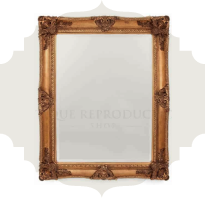
Rectangular, oval, or triple-panel mirrors framed in timber.
Some fitted with brass mounts or carved pediments.
Stools
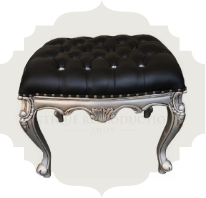
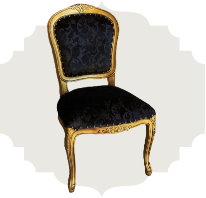
Upholstered in silk, velvet, linen, or embroidered fabrics.
Supported by turned or cabriole legs with carved ornamentation.
Decorative Elements
Features included cockbeaded drawers, tapered legs, scalloped edges, and brass or ormolu fittings.
Subtle marquetry and inlay details added elegance.
Why Choose Colonial Style Dressing Tables and Stools?
Functional elegance: Ample storage combined with timeless design.
Heritage appeal: A connection to 18th- and 19th-century craftsmanship and tradition.
Durability: Solid timber construction ensures longevity across generations.
Investment value: Antiques and reproductions hold their appeal, with rare pieces increasing in value.
Versatility: Complements Victorian, Edwardian, and contemporary interiors.
Placement and Styling Ideas
Bedrooms: Elegant vanities paired with matching stools, wardrobes, and chiffoniers.
Dressing rooms: Storage for jewellery and cosmetics, alongside wardrobes and chests.
Living rooms and halls: Can serve as writing desks or consoles, styled with lamps or porcelain.
Guest rooms: Compact duchess-style dressing tables add charm and function.
Buying Guide: Choosing the Right Piece
Size and measurements: Consider width, depth, and height in cm or mm.
Timber and finish: Options include polished cedar, mahogany, rustic oak, or painted whitewashed finishes.
Stool upholstery: Fabrics such as silk, velvet, linen, or leather in colours that complement your room.
Mirror style: Choose between rectangular, oval, or folding triple mirrors.
Budget: Antique originals may command higher prices; reproductions offer affordable and customisable alternatives.
Craftsmanship and Materials
Timbers
Cedar and huon pine: Australian favourites with warm tones.
Mahogany and walnut: Classic imported timbers.
Tasmanian oak and blackwood: Strong, stylish, and locally available.
Decorative Techniques
Inlay and marquetry: Veneers in satinwood, rosewood, or burr walnut.
Brass and ormolu: Escutcheons, handles, and fittings.
Carving: Acanthus leaves, scrolls, and floral motifs.
Colonial Reproductions in Australia
Melbourne: Faithful reproductions crafted from Australian blackwood, cedar, and imported mahogany.
Sydney & NSW: Painted or whitewashed versions suit coastal interiors.
Adelaide & South Australia: Demand for cedar and mahogany antiques for heritage homes.
Queensland: Rustic Colonial furniture complements tropical and coastal settings.
We provide nationwide delivery with secure packaging and insured shipping, extending to New Zealand and Australasia.
Services We Provide
Showrooms: Locations in Melbourne, Carlton, Coburg, and regional Victoria.
Customisation: Bespoke finishes, dimensions, and upholstery.
Delivery & logistics: Secure nationwide and overseas shipping.
Restoration: Polishing, refinishing, upholstery repair, and mirror replacement.
Online store: Shop by timber, style, or size with payment options including Afterpay, ZipPay, and PayPal.
Care and Maintenance
Dust with a soft cloth weekly.
Polish timber with beeswax every 6–12 months.
Protect marble or veneer tops with mats and coasters.
Keep pieces away from direct sunlight.
Reupholster stools when fabrics show wear.
Testimonials
“My cedar Colonial dressing table looks stunning in our master bedroom—beautiful craftsmanship.”
“We customised a stool with velvet upholstery, and it’s perfect.”
“Delivered safely to Sydney, exactly as described, with excellent finishing.”
Conclusion: Heritage and Function in Every Piece
A Colonial style antique dressing table and stool is more than furniture—it is a blend of history, function, and beauty. With solid timber construction, ample drawers, mirrors, and upholstered seating, these pieces embody the legacy of colonial craftsmanship while remaining practical for modern living.
Whether you are furnishing a Victorian home in Melbourne, a coastal retreat in Sydney, or a modern Adelaide apartment, our Colonial reproduction and antique dressing tables add timeless style and functionality.
Browse our online collection today, arrange a showroom visit, and find the perfect Colonial piece for your home.
The Colonial style blends European elegance with the practicality of local craftsmanship across Australia, America, India, and beyond. A Colonial style antique dressing table with a matching stool is more than furniture—it is a statement of tradition, beauty, and timeless function.
Crafted from solid timbers such as cedar, mahogany, oak, walnut, and blackwood, Colonial dressing tables typically feature drawers, carved details, mirrors, and upholstered stools. Built to last for generations, they remain as functional today as when they were first made.
Our collection of Colonial antiques and reproductions is popular among clients in Melbourne, Sydney, Brisbane, Adelaide, Ballarat, Maryborough, and throughout regional Australia.
History of Colonial Dressing Tables
Early Colonial Influences
European origins: Inspired by English Georgian, Regency, and Victorian designs.
Materials: Cabinetmakers relied on local timbers such as cedar, blackwood, huon pine, and Tasmanian oak.
Practicality: Dressing tables provided storage for jewellery, cosmetics, and writing tools, often paired with mirrors for daily routines.
Regional Adaptations
Australian Colonial: Known for cedar and huon pine with warm tones and strong durability.
American Colonial: Maple, cherry, and walnut dominated, with simple yet solid proportions.
Anglo-Indian Colonial: Rich in ornamentation, with inlay, brass fittings, and exotic detailing.
Distinctive Features of Colonial Dressing Tables
Solid Timber Craftsmanship
Cedar, mahogany, walnut, oak, and blackwood were commonly used.
Finishes included polished, stained, and waxed surfaces that showcased natural grain.
Drawer Configurations
Typically three to seven drawers, often with concealed or partitioned compartments.
Mirrors
Rectangular, oval, or triple-panel mirrors framed in timber.
Some fitted with brass mounts or carved pediments.
Stools
Upholstered in silk, velvet, linen, or embroidered fabrics.
Supported by turned or cabriole legs with carved ornamentation.
Decorative Elements
Features included cockbeaded drawers, tapered legs, scalloped edges, and brass or ormolu fittings.
Subtle marquetry and inlay details added elegance.
Why Choose Colonial Style Dressing Tables and Stools?
Functional elegance: Ample storage combined with timeless design.
Heritage appeal: A connection to 18th- and 19th-century craftsmanship and tradition.
Durability: Solid timber construction ensures longevity across generations.
Investment value: Antiques and reproductions hold their appeal, with rare pieces increasing in value.
Versatility: Complements Victorian, Edwardian, and contemporary interiors.
Placement and Styling Ideas
Bedrooms: Elegant vanities paired with matching stools, wardrobes, and chiffoniers.
Dressing rooms: Storage for jewellery and cosmetics, alongside wardrobes and chests.
Living rooms and halls: Can serve as writing desks or consoles, styled with lamps or porcelain.
Guest rooms: Compact duchess-style dressing tables add charm and function.
Buying Guide: Choosing the Right Piece
Size and measurements: Consider width, depth, and height in cm or mm.
Timber and finish: Options include polished cedar, mahogany, rustic oak, or painted whitewashed finishes.
Stool upholstery: Fabrics such as silk, velvet, linen, or leather in colours that complement your room.
Mirror style: Choose between rectangular, oval, or folding triple mirrors.
Budget: Antique originals may command higher prices; reproductions offer affordable and customisable alternatives.
Craftsmanship and Materials
Timbers
Cedar and huon pine: Australian favourites with warm tones.
Mahogany and walnut: Classic imported timbers.
Tasmanian oak and blackwood: Strong, stylish, and locally available.
Decorative Techniques
Inlay and marquetry: Veneers in satinwood, rosewood, or burr walnut.
Brass and ormolu: Escutcheons, handles, and fittings.
Carving: Acanthus leaves, scrolls, and floral motifs.
Colonial Reproductions in Australia
Melbourne: Faithful reproductions crafted from Australian blackwood, cedar, and imported mahogany.
Sydney & NSW: Painted or whitewashed versions suit coastal interiors.
Adelaide & South Australia: Demand for cedar and mahogany antiques for heritage homes.
Queensland: Rustic Colonial furniture complements tropical and coastal settings.
We provide nationwide delivery with secure packaging and insured shipping, extending to New Zealand and Australasia.
Services We Provide
Showrooms: Locations in Melbourne, Carlton, Coburg, and regional Victoria.
Customisation: Bespoke finishes, dimensions, and upholstery.
Delivery & logistics: Secure nationwide and overseas shipping.
Restoration: Polishing, refinishing, upholstery repair, and mirror replacement.
Online store: Shop by timber, style, or size with payment options including Afterpay, ZipPay, and PayPal.
Care and Maintenance
Dust with a soft cloth weekly.
Polish timber with beeswax every 6–12 months.
Protect marble or veneer tops with mats and coasters.
Keep pieces away from direct sunlight.
Reupholster stools when fabrics show wear.
Testimonials
“My cedar Colonial dressing table looks stunning in our master bedroom—beautiful craftsmanship.”
“We customised a stool with velvet upholstery, and it’s perfect.”
“Delivered safely to Sydney, exactly as described, with excellent finishing.”
Conclusion: Heritage and Function in Every Piece
A Colonial style antique dressing table and stool is more than furniture—it is a blend of history, function, and beauty. With solid timber construction, ample drawers, mirrors, and upholstered seating, these pieces embody the legacy of colonial craftsmanship while remaining practical for modern living.
Whether you are furnishing a Victorian home in Melbourne, a coastal retreat in Sydney, or a modern Adelaide apartment, our Colonial reproduction and antique dressing tables add timeless style and functionality.
Browse our online collection today, arrange a showroom visit, and find the perfect Colonial piece for your home.